+44 (0)1543 456 930 | sales@metalline.co.uk
Metalline (Services) Ltd, Hollies Park Road, Cannock, Staffordshire, WS11 1DB

Metalline (Services) Ltd, Hollies Park Road, Cannock, Staffordshire, WS11 1DB
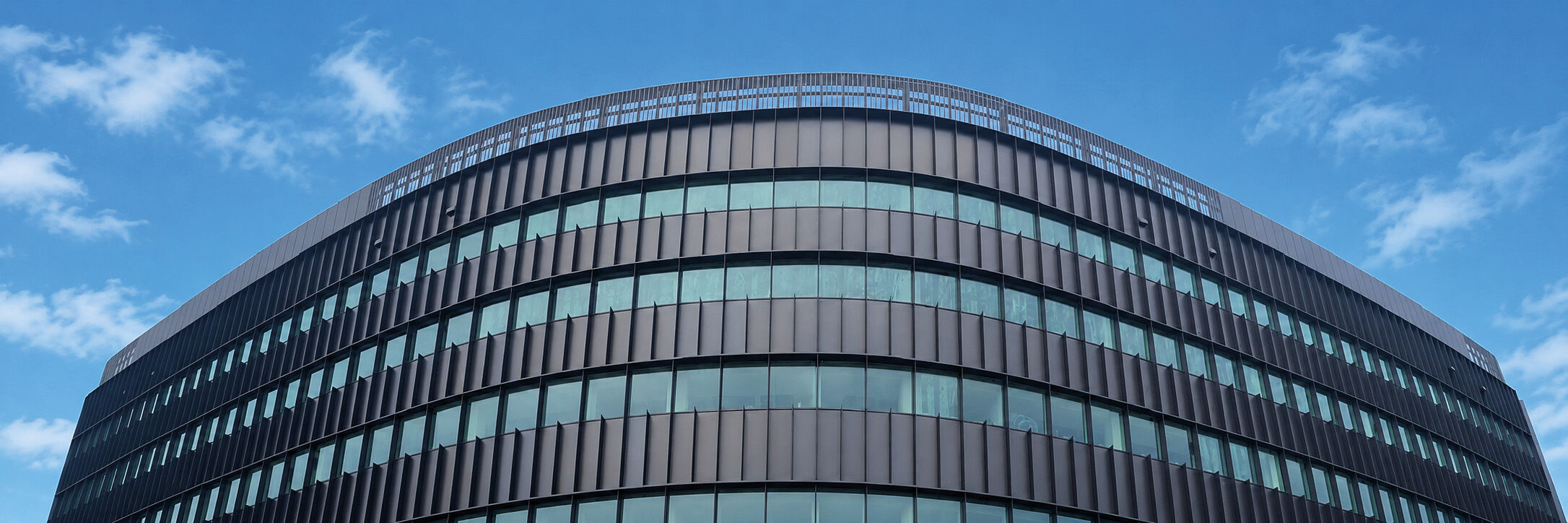
From high-rise residential developments to commercial office buildings, modern facades are expected to deliver far more than visual appeal. Building envelopes must balance aesthetics, energy efficiency, durability and fire safety, often within increasingly complex regulatory frameworks.
Within these facade systems, spandrel panels play an important yet often understated role. Located within the non-vision areas of the facade, they help create seamless elevations whilst concealing structural elements and contributing to the overall performance of the building envelope.
As fire safety remains a key consideration across the construction sector, understanding how spandrel panels support compliance and performance has become increasingly important for architects, specifiers and contractors alike.
Spandrel panels are non-vision facade elements typically used within curtain walling, glazing and rainscreen systems. Installed between the top of one window and the bottom of the next, they conceal floor slabs, insulation, services and other structural components whilst maintaining a consistent external appearance.
In addition to their aesthetic role, spandrel panels can contribute to thermal performance, weather protection and, when correctly specified, fire safety within the building envelope.
Fire performance has become a critical consideration in facade design, particularly on residential, commercial and public sector developments. As part of the external wall construction, spandrel panels must be specified to meet relevant fire performance requirements and support the project’s overall fire strategy.
Selecting tested, compliant systems helps reduce the risk of fire spread whilst supporting compliance with Building Regulations and project-specific performance requirements. For specifiers, ensuring facade elements have undergone appropriate testing and certification is an essential part of the design and procurement process.
Under Regulation 7(2) of the Building Regulations 2010, materials that become part of an external wall (or specified attachment) of a relevant building must achieve a minimum reaction-to-fire classification of A2-s1,d0 or A1 when classified in accordance with BS EN 13501-1. As spandrel panels are deemed to be part of the external cladding system, they must conform to this requirment.
Many systems are available with A1 or A2-s1,d0 classifications in accordance with BS EN 13501-1, providing solutions suitable for projects where non-combustible or limited-combustibility materials are required.
Alongside fire performance, insulated spandrel panels can also enhance thermal efficiency by providing a continuous barrier within the non-vision areas of the facade, helping to minimise heat loss and improve overall building performance.
Aluminium Spandrel Panels
Aluminium spandrel panels are widely specified across commercial, residential and public sector developments due to their combination of strength, durability and design flexibility. Lightweight yet robust, aluminium can be manufactured in a wide range of finishes, colours and configurations whilst meeting demanding fire performance requirements.
Modern insulated aluminium spandrel panels are designed to conceal floor slabs, services and structural elements whilst contributing to the thermal efficiency and long-term durability of the building envelope. Their versatility makes them suitable for both new-build and refurbishment projects.
Insulated Spandrel Panel Systems
Insulated spandrel panel systems combine external metal facings with non-combustible insulation cores to deliver fire performance, thermal efficiency and durability within a single solution. Often integrated into curtain walling and facade systems, these panels help maintain the continuity of the building envelope whilst supporting compliance with modern building regulations.
When specifying insulated spandrel panels, factors such as fire classification, thermal performance, structural integrity and independent testing should all be considered to ensure the chosen system meets the specific requirements of the project.
The ULTIMA range from Metalline has been developed to meet the demands of modern facade construction, combining fire performance, thermal efficiency and aesthetic flexibility within a single tested solution.
Available in a range of configurations, ULTIMA panels can be manufactured to achieve either A1 or A2-s1,d0 classification to BS EN 13501-1, helping support compliance with project-specific fire performance requirements.
The system has undergone extensive independent testing for fire performance, structural integrity and facade performance, providing architects, specifiers and contractors with confidence in both its compliance credentials and long-term reliability.
With a variety of construction options, finishes and panel configurations available, ULTIMA enables specifiers to achieve the required performance criteria without compromising on appearance, buildability or durability.
To discuss your project requirements or learn more about the ULTIMA range of insulated spandrel panels, contact the Metalline team on +44 (0) 1543 456 930 or email sales@metalline.co.uk.